Unlock Year-Round Flavor: Your Easy Guide to Freezing Fresh Corn Without Blanching
Imagine savoring the sweet, crisp taste of summer corn in the dead of winter, perfectly incorporated into your favorite soups, stews, or a simple side dish. It sounds like a dream, but it's entirely achievable with a surprisingly simple method: freezing fresh corn without blanching. Forget the extra pot of boiling water and the ice bath; this guide will walk you through the easiest way to preserve that garden-fresh goodness, saving you time and effort while ensuring delicious results for months to come. Many home cooks wonder if freezing corn without blanching is even possible. The answer is a resounding yes! While blanching is a traditional method that helps preserve color, texture, and flavor by stopping enzyme action, it's not strictly necessary for corn. This alternative approach focuses on speed and simplicity, making it ideal for large harvests or those times when you just want to get your produce prepped and into the freezer with minimal fuss.Why Choose the "No-Blanch" Method for Freezing Corn?
The primary appeal of freezing corn without blanching lies in its unparalleled ease and speed. If you've ever faced a mountain of freshly picked corn and felt overwhelmed by the prospect of blanching each batch, this method is your hero. It significantly cuts down on prep time, making it perfect for busy individuals or when dealing with a bountiful harvest. While blanched corn often boasts a slightly firmer texture and brighter color, unblanched frozen corn still retains a remarkable amount of its fresh flavor. It's an excellent choice for recipes where the corn will be cooked further, such as in casseroles, chowders, stir-fries, or baked goods. The slight texture difference, often described as a little chewier or softer after cooking, is a small trade-off for the immense convenience this method offers. Furthermore, by skipping the blanching step, you're embracing a more direct route from field to freezer, locking in that raw, vibrant sweetness. This quick preservation method is truly one of the quickest ways to freeze without blanching, ensuring you capture corn at its peak.Method 1: Freezing Fresh Corn Kernels Without Blanching
Freezing corn kernels is incredibly versatile, allowing you to easily add a spoonful or a cup to any recipe without needing to thaw an entire cob. This method involves a bit more initial prep work in terms of cutting, but the convenience it offers down the line is well worth it. Here’s your step-by-step guide:- Select Your Corn: Start with the freshest corn possible. Look for cobs with bright green husks, moist silk, and plump kernels when gently pressed. The sweeter the corn going in, the sweeter it will be coming out of the freezer.
- Shuck and Prepare: Begin by removing the outer leaves (husks) and all the silk from each cob. You don't need to wash the corn at this stage unless it's visibly dirty.
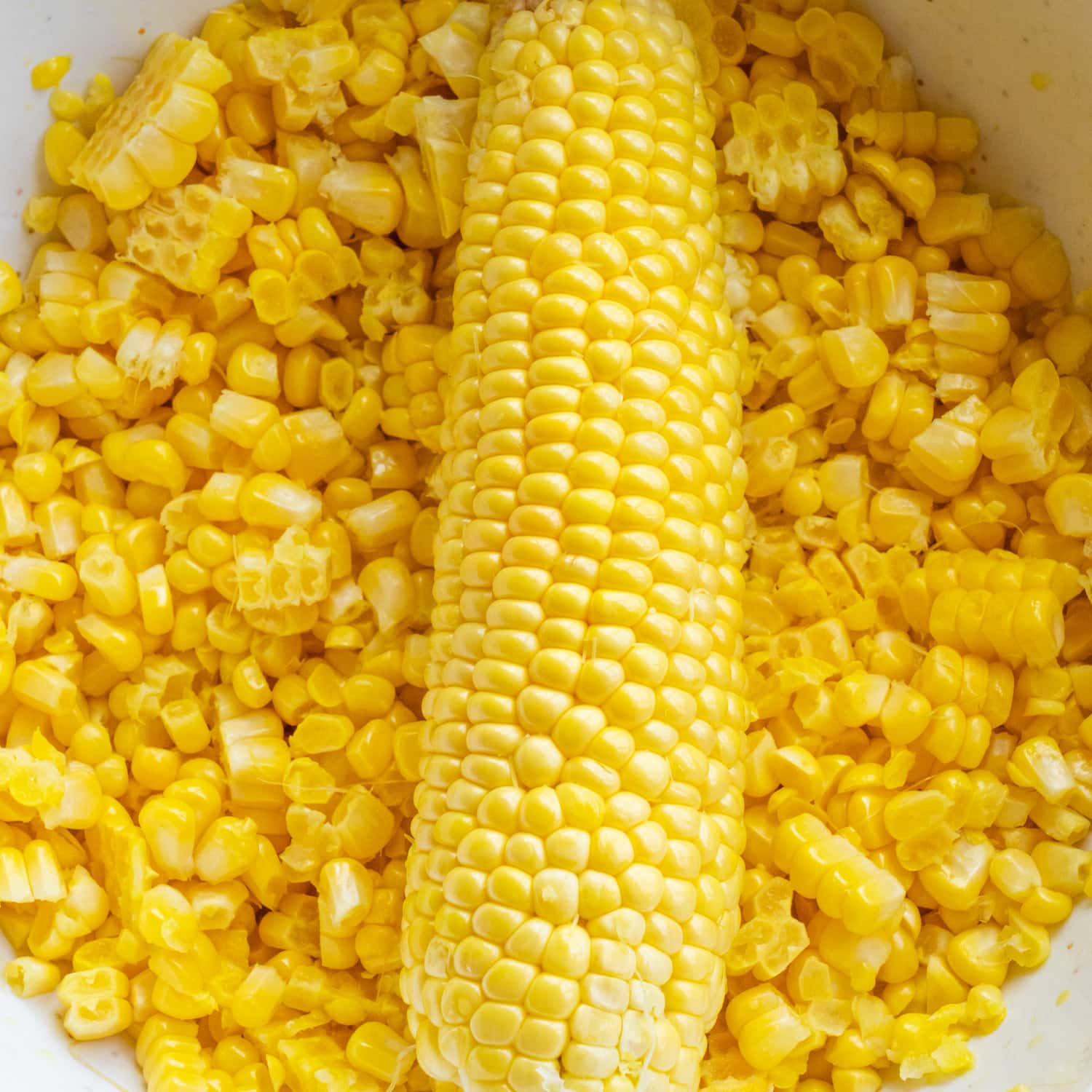
- Cut the Kernels: This is the most crucial step. To make it easier and cleaner, place the narrower end of the corn cob into the center of a bundt pan or a smaller bowl set inside a larger one. This setup catches the kernels as they fall. Using a sharp knife, carefully run the blade down the sides of the cob, cutting the kernels off. Try to get as close to the cob as possible without cutting into the tough inner cob. Rotate the cob and repeat until all kernels are removed. If you notice any large clumps of kernels, gently break them apart with your hands.
- Package for Freezing: Transfer the fresh kernels into airtight freezer bags. For optimal results and to prevent freezer burn, it's essential to remove as much air as possible.
- Vacuum Sealer: If you have a vacuum sealer, this is the most effective way to eliminate air and ensure long-term freshness.
- Straw Method: For those without a vacuum sealer, the "straw method" is a fantastic alternative. Seal the freezer bag almost entirely, leaving a small gap. Insert a straw into the gap, suck out all the air from the bag, then quickly remove the straw and seal the bag completely.
- Label and Freeze: Don't forget this vital step! Label each bag with the date of freezing. Fresh corn kernels frozen without blanching can last wonderfully for up to 1 year, ensuring you have a steady supply until the next corn season.
When you're ready to use them, these frozen kernels can often be added directly to your recipes—whether it's a simmering pot of chili, a quick stir-fry, or a vibrant corn salsa—without the need for prior thawing. This makes them incredibly convenient for weeknight meals.
Method 2: Freezing Fresh Corn on the Cob Without Blanching
While freezing kernels offers maximum versatility, sometimes you just crave the classic experience of corn on the cob. This method is even quicker in terms of initial prep, making it perfect for a very large harvest you want to get into the freezer fast. Here’s how to freeze corn on the cob without blanching:- Select and Shuck: Choose fresh, blemish-free corn cobs. Shuck them thoroughly, removing all husks and strands of silk.
- Dry Completely: This step is critical for freezing corn on the cob without blanching. Any excess moisture can lead to ice crystals and a less desirable texture. Pat each cob completely dry with a clean kitchen towel. You can also let them air dry for a bit before packaging.
- Package Individually or in Small Batches: Place the dried cobs into airtight freezer bags. For convenience, consider packaging them individually or in portions you're likely to use at once (e.g., 2-4 cobs per bag). Again, remove as much air as possible using a vacuum sealer or the straw method.
- Label and Freeze: Clearly label each bag with the freezing date. While incredibly convenient, corn frozen on the cob without blanching is generally best used within 6 to 8 months for optimal texture and flavor. Some sources suggest up to 12 months, but for the best quality, aiming for the shorter end of that range is advisable.
Freezing corn on the cob without blanching is the simplest and least time-consuming way to store whole cobs. However, it's worth noting that upon cooking, these cobs might be slightly chewier or more watery than blanched corn. They are excellent for grilling or boiling as a simple side, where a slight texture variation is often unnoticeable or even preferred.
For a comprehensive look at both methods and how they compare for long-term storage, you might find more insights in our article on Freeze Fresh Corn Without Blanching: Kernels or Cob, Store for a Year.
Tips for Success & Enjoying Your Frozen Corn
To ensure your venture into freezing corn without blanching is a resounding success, keep these additional tips in mind:- Choose Peak Season Corn: The quality of your frozen corn directly correlates with the freshness and sweetness of the corn you start with. Freeze corn as soon as possible after harvest for the best flavor.
- Prevent Freezer Burn: This is your biggest enemy when freezing. Air is the culprit. Invest in good quality freezer bags and always prioritize removing as much air as humanly possible, whether with a vacuum sealer, the straw method, or by carefully rolling the bag to push air out before sealing.
- Labeling is Non-Negotiable: It's easy to forget when something was frozen. Always label your bags with the date. This helps you follow a "first-in, first-out" system, ensuring you use older corn before it loses quality.
- Understand Texture Differences: Be aware that corn frozen without blanching might have a slightly softer or chewier texture compared to blanched or fresh corn when cooked. This makes it perfect for dishes where the corn is incorporated into a sauce or baked.
- Cooking from Frozen: Most recipes allow you to add your frozen corn kernels directly from the freezer. For corn on the cob, you can often boil or grill it from frozen, just adding a few extra minutes to the cooking time. For soups and stews, simply toss the kernels in during the last 5-10 minutes of cooking.
- Get Creative with Recipes: Frozen corn is incredibly versatile. Use it in:
- Hearty winter chili or chowder
- Quick corn and black bean salsa
- Vibrant stir-fries
- Baked goods like cornbread or muffins
- Simple buttered corn as a side dish
