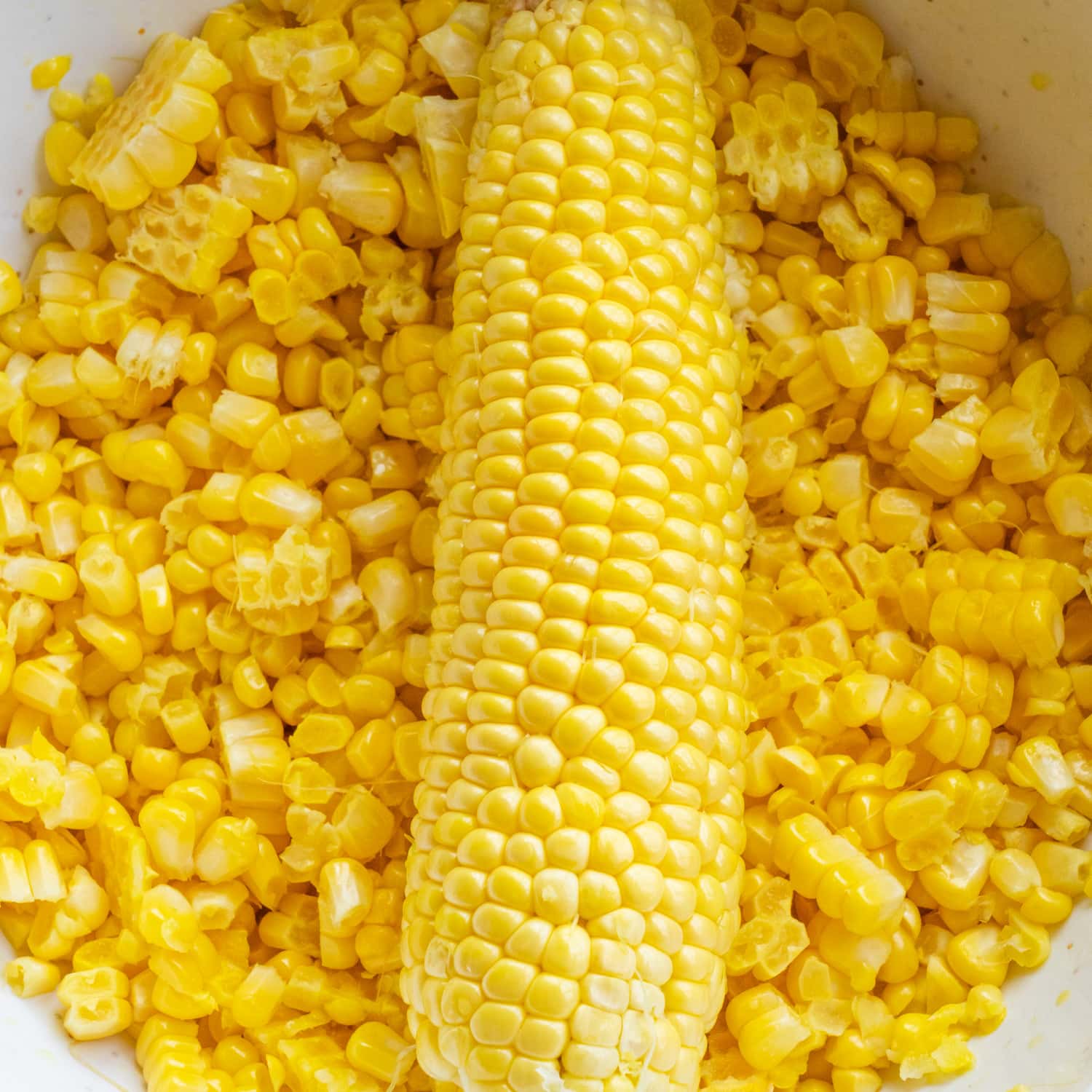
Preserve Fresh Corn: The Quickest Way to Freeze Without Blanching
The arrival of fresh corn at peak season is one of summer's greatest culinary joys. Sweet, crisp, and bursting with flavor, it's a staple at barbecues, picnics, and family dinners. However, the season for this golden delight is fleeting, leaving many of us longing for that fresh taste long after the last cob has been picked. The good news? You can absolutely capture that summer essence and enjoy fresh corn year-round, and the quickest, most straightforward method doesn't even require blanching. Forget the extra pot of boiling water; we're diving into the ridiculously easy world of how to freeze fresh corn without blanching.
This comprehensive guide will walk you through preserving your bountiful harvest or your farmer's market finds, ensuring you have a steady supply of delicious corn for soups, casseroles, stir-fries, and more, whenever the craving strikes. Not only is this method a time-saver, but it’s also incredibly effective, locking in that sweet flavor for months.
Why Choose the No-Blanch Method for Freezing Corn?
Traditionally, blanching (briefly boiling and then shocking in ice water) is recommended for most vegetables before freezing. The primary reason is to halt enzyme activity that can degrade flavor, color, and texture over time. While blanching certainly has its merits for long-term storage and certain vegetables, corn is one of the hardier exceptions where skipping this step is entirely feasible, especially if you plan to use it within 6-12 months.
So, why opt for the no-blanch approach?
*
Unmatched Simplicity and Speed: This is, by far, the quickest and least time-consuming method. You bypass an entire cooking and cooling cycle, meaning less mess and more time enjoying your summer.
*
Preserves "Raw" Freshness: Some argue that freezing corn raw retains a truer, fresher flavor profile, especially for dishes where you want that distinct "just picked" taste.
*
Reduced Equipment Needs: No need for a large pot, a slotted spoon, or an ice bath. All you really need is a good knife, some freezer bags, and a bit of counter space.
*
Ideal for Bulk Preservation: If you have a massive harvest or snagged a fantastic deal on corn, the no-blanch method allows you to process large quantities much faster than traditional methods.
While freezing corn without blanching might result in a slight difference in texture compared to blanched corn – it might be a touch chewier or more watery when cooked directly from frozen – for many recipes like chili, chowders, or creamed corn, these minor differences are negligible. The sheer convenience often outweighs these potential textural nuances.
Freezing Corn Kernels Without Blanching: A Step-by-Step Guide
Freezing corn kernels is incredibly versatile, allowing you to easily scoop out just the amount you need for any recipe without having to thaw an entire cob. This method is generally recommended for its ease of use in cooking later on. For a comprehensive walkthrough on freezing fresh corn without blanching, including detailed steps for both kernels and whole cobs, be sure to check out our
How to Freeze Fresh Corn Without Blanching: Your Easy Guide.
Here’s how to do it:
1.
Shuck the Corn: Begin by removing all the outer leaves and silk from each ear of corn. Inspect for any lingering silk threads and pull them off. A clean, shucked cob is your starting point. You don't necessarily need to wash the corn unless it's visibly dirty; a quick rinse is fine, but ensure it's completely dry before proceeding.
2.
Prepare for Cutting: To make the kernel removal process less messy, place a smaller bowl upside down inside a larger bowl. Rest the tip of the corn cob on the inverted bowl. This creates a stable platform and catches the kernels as they fall, preventing them from scattering across your kitchen.
3.
Cut the Kernels Off: Using a sharp chef's knife, carefully run the blade down the sides of the cob, cutting the kernels off. Hold the cob firmly and angle your knife slightly towards the cob to ensure you get as close to the cob as possible without cutting into the tough inner core. Rotate the cob as you go until all the kernels are removed. If you find any larger pieces of kernel stuck together, gently break them apart with your fingers.
4.
Dry Thoroughly (If Rinsed): If you chose to rinse your corn, it's absolutely crucial to spread the kernels out on a clean kitchen towel or paper towels and allow them to air dry completely. Excess moisture can lead to freezer burn and a more watery product when thawed.
5.
Package for Freezing:
*
Portioning: Divide the kernels into desired portions, typically 1 to 2 cups, depending on what you usually use in recipes. This prevents you from having to thaw more corn than you need.
*
Air Removal: Air is the enemy of frozen food, leading to freezer burn.
*
Vacuum Sealer: If you have a vacuum sealer, this is the ideal option for removing virtually all air and extending storage life.
*
Straw Method: For a DIY solution, place the corn in a high-quality freezer-safe bag (not just a sandwich bag). Seal the bag almost all the way, leaving a small opening. Insert a straw into the opening and suck out as much air as possible. Quickly remove the straw and seal the bag completely before air rushes back in.
*
Water Displacement Method: Place corn in a freezer bag. Submerge the bag in a bowl of water, allowing the water pressure to push the air out. Seal the bag completely before fully removing it from the water.
*
Flatten and Freeze: Lay the sealed bags flat on a baking sheet. This allows them to freeze quickly and uniformly, and once frozen, they can be stacked efficiently in your freezer, saving space.
6.
Label and Store: Always label your bags with the date and contents ("Fresh Corn Kernels - [Date]"). This helps you track freshness and practice "first in, first out" in your freezer. Properly packaged raw corn kernels will last beautifully for up to 8-12 months in a consistent freezer.
Freezing Corn on the Cob Without Blanching: Simplicity in a Cob
While freezing kernels offers maximum versatility, sometimes you just want the satisfaction of a whole cob. Freezing corn on the cob without blanching is the absolute quickest method if your goal is minimal prep time for maximum yield.
1.
Shuck and Remove Silk: Just like with kernels, start by stripping away all the leaves and silk from each cob. Pay attention to removing as much silk as possible.
2.
Dry, Dry, Dry: This step is paramount for freezing whole cobs without blanching. Any moisture on the cob's surface will turn into ice crystals, contributing to freezer burn and an undesirable texture. After shucking, pat each cob thoroughly dry with a clean kitchen towel or paper towels. You can even let them air dry on a rack for a couple of hours to ensure they are bone dry.
3.
Package for Freezing:
*
Individual Wrapping (Optional but Recommended): For best results and to prevent freezer burn, you might consider wrapping each dry cob individually in plastic wrap before placing it into a freezer bag. This adds an extra layer of protection.
*
Freezer Bags: Place 1-3 cobs (or your preferred serving size) into heavy-duty freezer bags.
*
Remove Air: Just as with kernels, remove as much air as possible from the freezer bags using a vacuum sealer or the straw method.
4.
Label and Store: Label each bag with the date and contents ("Corn on the Cob - No Blanch - [Date]"). Frozen corn on the cob typically retains quality for up to 6-8 months using this method.
Maximizing Storage and Enjoyment: Tips for Your Frozen Corn
Whether you opt for kernels or whole cobs, proper storage and usage are key to enjoying your frozen bounty. Understanding how to
Freeze Fresh Corn Without Blanching: Kernels or Cob, Store for a Year can significantly extend your enjoyment of this summer staple.
*
Preventing Freezer Burn: The absolute best defense against freezer burn is removing as much air as possible from your packaging. This prevents ice crystals from forming on the surface of your food, which dries it out and degrades its texture and flavor. Using high-quality freezer-specific bags or a vacuum sealer is highly recommended.
*
Storage Duration: While corn is a hardy vegetable for freezing, the "no blanch" method generally means a slightly shorter optimal storage period compared to blanched corn. Expect raw kernels to stay delicious for 8-12 months and whole cobs for 6-8 months. Always prioritize using older packages first.
*
Cooking from Frozen: One of the biggest advantages of this method is the convenience of cooking directly from frozen.
*
Kernels: Simply add your desired amount of frozen kernels directly to soups, stews, casseroles, stir-fries, or any dish that requires cooked corn. They'll thaw and cook quickly within the heat of your recipe. There's no need to thaw them beforehand.
*
On the Cob: Do not thaw whole frozen cobs before cooking, as this can make them mushy. Instead, drop frozen cobs directly into boiling water, steam them, or even grill them. Add a few extra minutes to your usual cooking time compared to fresh corn. The texture might be a bit chewier than fresh or blanched corn, but the flavor will still be wonderfully sweet.
*
Creative Uses: Don't limit your frozen corn to just side dishes. Blend frozen kernels into creamy corn chowder, add them to cornbread batter, or sauté with butter and herbs for a quick vegetable side.
*
Freezer Organization: Keep your freezer well-organized to easily locate your corn and other frozen goods. Stack flat bags, and group similar items together.
Conclusion
Freezing fresh corn without blanching is a revelation for anyone who loves the taste of summer corn but dreads complicated preservation methods. It's a testament to simplicity and efficiency, allowing you to capture that peak-season flavor with minimal effort. By following these straightforward steps, from shucking and cutting to proper packaging and labeling, you can ensure a steady supply of sweet, delicious corn throughout the year. So, the next time corn season rolls around, embrace this quick and easy method and enjoy the taste of summer, no matter the season.